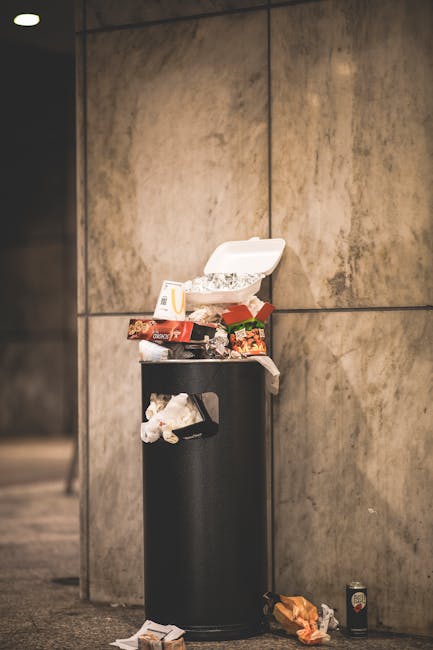
Avoid Westminster fines for bulky-item disposal in Pimlico: a practical local guide
Bulky-item disposal sounds simple until you are standing in a hallway with an old mattress, a cracked wardrobe, and a bin store that is already full. In Pimlico, a small mistake can turn into a messy street scene, a complaint from neighbours, or a fine from Westminster. The good news? Once you understand how bulky waste is supposed to be handled, it becomes much easier to stay on the right side of the rules and keep things moving without stress.
This guide explains how to Avoid Westminster fines for bulky-item disposal in Pimlico with a clear, local, and realistic approach. You will learn what usually causes penalties, how bulky waste collection and private removal normally work, what to do before you leave items on the pavement, and when a managed clearance makes more sense. If you are moving, redecorating, clearing a flat, or dealing with a one-off item that simply will not fit in the lift, this is for you.
To be fair, most people do not mean to get it wrong. They are often just trying to get rid of a sofa before guests arrive or clear space before an end of tenancy cleaning in Pimlico. That is exactly when rules get overlooked. Let's make it easier.
Table of Contents
- Why avoiding Westminster fines matters
- How bulky-item disposal works in Pimlico
- Key benefits and practical advantages
- Who needs this and when it makes sense
- Step-by-step guidance
- Expert tips for better results
- Common mistakes to avoid
- Tools, resources and recommendations
- Law, compliance, standards and best practice
- Options and comparison table
- Case study or real-world example
- Practical checklist
- Conclusion
- Frequently asked questions
Why Avoid Westminster fines for bulky-item disposal in Pimlico Matters
Bulky-item disposal is not just a household chore. In a dense area like Pimlico, it affects pavements, shared entrances, bin stores, access for neighbours, and sometimes even traffic flow on narrow residential streets. Westminster takes waste presentation seriously, and if items are left out incorrectly, the problem is usually obvious very quickly.
What people often miss is that a bulky item is not "just rubbish" in the council's eyes. A mattress, broken chest of drawers, old desk, wardrobe doors, dismantled shelving, or even a damaged armchair may all need to be handled in a particular way. If you place them out on the wrong day, in the wrong place, or without arranging a proper collection, you can attract enforcement attention. Nobody wants that. Especially not on a rainy Tuesday with a hallway full of flat-pack debris and nowhere to put it.
It also matters because the consequences are wider than a one-off fine. Improperly dumped furniture can:
- block access for residents, carers, and delivery crews
- create fire and trip hazards in shared areas
- invite vermin or weather damage if left too long
- lead to complaints in managed blocks and rented properties
- make a landlord or managing agent unhappy, which is rarely fun
If you are a tenant, especially in a smaller Pimlico flat, the pressure is usually time-based. If you are a landlord, the pressure is liability-based. And if you are a homeowner, the issue is often one of logistics: where do you even start when the spare room is full of "temporary" storage from three years ago?
For local context around moving and settling into the area, the article on moving to Pimlico with advice from locals is a useful companion read, especially if your bulky waste is part of a wider move.
How Avoid Westminster fines for bulky-item disposal in Pimlico Works
At a practical level, avoiding fines comes down to three things: knowing what counts as bulky waste, choosing the right disposal route, and presenting items correctly. Simple enough in theory. In real life, the details matter.
Bulky waste usually means large household items that are too big for normal bin collections. Think furniture, mattresses, appliances, and similar items. The exact treatment can vary depending on the item, its condition, and how Westminster expects it to be handled. Some items may be accepted through a booked council collection, some through a private waste carrier, and some may need special handling because of materials or electrical components.
Here is the main point: do not assume that leaving an item beside your general waste bins counts as disposal. It often does not. If anything, it may count as fly-tipping or improper waste presentation, which is where fines and enforcement can begin. A slightly awkward truth, but there it is.
In Pimlico, the logistics are shaped by the built environment. Mansion blocks, basement flats, narrow entrances, communal halls, and timed access windows all make waste movement more complicated than in a suburban driveway. That is why planning matters. A good bulky-item disposal plan usually includes:
- checking the item type and whether it needs special handling
- confirming the collection route before moving anything outside
- booking enough time for dismantling or lifting assistance
- ensuring the item does not block fire exits, pavements, or shared spaces
- using only approved or reputable disposal services
If you are in a rental property or ending a lease, it is also worth aligning your clearance with cleaning work. The timing can save you a lot of back-and-forth. A well-timed clearance makes end-of-tenancy cleaning in SW1V flats much smoother, because cleaners are not working around leftover furniture or rubbish bags that should have been removed already.
Key Benefits and Practical Advantages
Doing bulky disposal properly is not only about avoiding a fine. It has a few very real advantages that people notice immediately once they have done it the right way once.
1. Less stress on the day
When you know the disposal route, you are not making last-minute calls or dragging a sofa down the stairwell while guessing whether it is allowed outside. That alone is worth a lot.
2. Better relationships with neighbours and managing agents
Shared living is all about avoiding friction. Nothing irritates people faster than a mattress in the lobby for two days because "someone was going to collect it."
3. Reduced risk of damage
Heavy items can scratch communal floors, chip walls, or block access doors. A planned removal protects the building and, frankly, your deposit too if you rent.
4. Faster turnaround for property work
Whether you are preparing for guests, a sale, or a deep clean, clearing bulky items lets the rest of the job happen properly. If your home needs broader upkeep, the domestic cleaning service in Pimlico can sit neatly alongside a removal plan.
5. A cleaner and safer environment
Old furniture can collect dust, shed fabric, or become a place where things get stacked and forgotten. Once it is gone, the room feels different. Lighter. Easier to use.
Expert summary: the safest approach is usually the simplest one - identify the item, choose the proper collection method, keep it off shared walkways until collection is confirmed, and document what you have arranged. That small bit of discipline prevents most problems.
Who This Is For and When It Makes Sense
This guide is relevant to more people than you might think. Bulky-item disposal in Pimlico affects residents, landlords, tenants, agents, office managers, and anyone helping a relative clear a flat. It is especially useful if you are short on storage space, in a managed building, or trying to clear items in a tight time window.
Here are the most common situations where people need a proper plan:
- Tenants moving out: you need to leave the property clear and avoid disputes over waste left behind.
- Landlords between lets: old furniture, broken items, or abandoned belongings need sorting quickly and legally.
- Homeowners renovating: bulky waste appears fast once a room is stripped back.
- Families downsizing: decisions often need to be made room by room, and that takes time.
- Small offices: desks, chairs, filing cabinets, and worn upholstery do not disappear by magic.
It also makes sense when you are dealing with a one-off item that is too awkward for standard waste collection. A washing machine that no longer works, a mattress after a spill, or furniture that has been dismantled but not broken down fully are all examples. And yes, it can be the sort of job that you keep postponing because it is not urgent enough to deal with now, but still annoying every time you look at it. Classic.
If your project extends beyond the flat itself, you may also find it helpful to look at broader property guidance such as buying homes in Pimlico or smart real estate decisions in Pimlico, especially if you are planning a move, a refurbishment, or a change in occupancy.
Step-by-Step Guidance
If you want a low-drama way to handle bulky waste and avoid penalties, follow a structured process. It saves time, and more importantly, it reduces guesswork.
- List the items clearly. Write down exactly what needs to go. Include dimensions if the item is large or awkward.
- Separate reusable, recyclable, and general waste items. A wooden chair and a broken mattress may not be treated the same way.
- Check your building rules. Some blocks in Pimlico have strict rules on where and when items can be moved. Always verify access arrangements with the concierge or managing agent.
- Choose the right disposal route. That may be a council bulky collection, a licensed waste carrier, or a combined clearance and cleaning service.
- Confirm collection timing before moving items outside. Never place furniture in the street "ready for later" unless the collection process specifically allows it.
- Disassemble if needed. Breaking larger items down into manageable parts can reduce risk and make loading easier.
- Keep pathways open. Shared halls, fire doors, and pavement access should stay clear at all times.
- Retain proof of booking or collection. A confirmation email or receipt can help if a dispute arises.
A practical example: if you are clearing a bedroom before a move, do the wardrobe first, then the bed frame, then the mattress. Not because it is glamorous, obviously, but because the order matters. You clear space for the bigger pieces before you start moving smaller clutter. That tiny sequence change can prevent a lot of awkward shuffling around a narrow Pimlico landing.
For properties that also need a proper refresh after clearance, a combined approach works well with house cleaning in Pimlico or, where furniture is still in place, upholstery cleaning in Pimlico before disposal decisions are final.
Expert Tips for Better Results
Once you know the basics, a few small habits make bulky disposal much smoother. These are the sort of details that people usually learn the hard way. You do not need to.
- Photograph the items before disposal. This helps with landlord disputes, insurance queries, or simple record-keeping.
- Schedule the clearance for a low-traffic time. Early morning or mid-day can be easier than the evening rush, especially in busy parts of Pimlico.
- Measure lifts and doorways first. Sounds obvious, but people forget. Then the sofa gets stuck halfway and everybody suddenly becomes an expert in geometry.
- Keep one contact person responsible. Too many cooks, as they say, leads to confusion about who booked what and when.
- Separate electrical items from furniture. Appliances often need different handling from wooden or upholstered waste.
- Use proper lifting techniques or professional help. A strained back is a bad trade for an old chest of drawers.
One small but useful habit is to treat bulky disposal as part of the whole property reset rather than a last-minute chore. If you are preparing to move, clear, or clean, link the tasks together. If you are reading this while already surrounded by boxes, fair enough - you are not alone. But even then, you can still take control of the sequence and avoid the costly shortcut.
For deeper property and local context, the Pimlico area guide about the charm of Pimlico gives a nice sense of why maintaining tidy shared spaces matters so much in this neighbourhood.
Common Mistakes to Avoid
Most penalties around bulky waste come from avoidable errors rather than complicated wrongdoing. Here are the ones that tend to cause trouble.
- Leaving items by the bin store without checking collection rules. This is one of the fastest ways to create a complaint.
- Assuming one service covers everything. Some providers handle furniture but not mattresses, appliances, or special waste.
- Blocking shared corridors. Even a short blockage can cause issues in a residential block, especially where access is tight.
- Not confirming the waste carrier is appropriate. If someone removes your waste and dumps it elsewhere, responsibility can come back to you if you did not take reasonable care.
- Forgetting about timing. Collection booked for Thursday does not mean items should appear on Monday. That gap causes problems.
- Ignoring landlord or building instructions. These instructions may feel fussy, but in practice they protect everyone in the building.
Another easy mistake is to focus only on the item and forget the aftermath. For example, once a sofa is removed, there may be dust, marks, or floor scuffs that need attention. If you are moving out, coordinating with end-of-tenancy cleaning services can save you from a rushed last day.
And yes, sometimes the mistake is simply underestimating the size of the job. A single wardrobe can become a small project once screws, mirrors, panels, and hallway width are taken into account. Happens all the time.
Tools, Resources and Recommendations
You do not need a van full of equipment to manage bulky disposal well, but a few tools and references help a lot.
- Measuring tape: useful for doorways, lift dimensions, and item sizing.
- Basic toolkit: screwdrivers, Allen keys, and a hammer for dismantling flat-pack furniture.
- Work gloves: useful for splinters, sharp fixings, and rough edges.
- Trolley or sack truck: helpful for moving heavier items safely.
- Heavy-duty bags and tape: for cushions, loose fittings, and small fragments.
- Camera or phone: for documentation and collection confirmation.
From a planning point of view, the most useful resources are local service pages, building information, and straightforward quote pages. If you need support across a wider range of property tasks, the services overview and pricing and quotes pages are good starting points for understanding options without committing too early.
If your clearance is part of a larger home reset, consider whether domestic cleaning, carpet cleaning, or upholstery cleaning should happen after the bulky items are removed. The room often looks very different once the big pieces are gone. Smells fresher too, usually.
For trust and service transparency, it is also sensible to check the company's about us, insurance and safety, and terms and conditions pages before booking anything that involves access, lifting, or waste handling.
Law, Compliance, Standards, or Best Practice
Waste disposal in the UK is governed by a combination of national rules, local authority processes, and common-sense best practice. You do not need to become a legal expert to stay safe, but you do need to understand the basic principle: waste should go to an appropriate, lawful destination through a legitimate route.
In practical terms, that means:
- not leaving bulky items out unless the collection method allows it
- using reputable and appropriately licensed waste carriers where relevant
- following local collection arrangements and building rules
- keeping records when you arrange disposal through a third party
It is also wise to treat shared spaces carefully. In managed properties, fire safety, access, and hygiene expectations can be stricter than in a standalone home. That is not red tape for the sake of it. It is there because communal buildings rely on everyone behaving sensibly. A corridor cluttered with a mattress and side table is not a small issue when people need to get through with buggies, shopping, or mobility aids.
Where a professional service is involved, basic standards should include clear communication, respectful access, care around property surfaces, and proper handling of waste. If the provider can explain what they will collect, how they will move it, and what happens next, that is a strong sign. If the answer is vague, keep asking questions. You are allowed to.
For anyone balancing cleanliness, access, and building compliance, the article on health and safety policy is useful background, because safe disposal and safe cleaning often overlap in real properties.
Options, Methods, or Comparison Table
There is no one-size-fits-all method for bulky-item disposal. The right choice depends on time, item type, access, and how much lifting you want to do yourself. Here is a straightforward comparison.
| Option | Best for | Pros | Watch-outs |
|---|---|---|---|
| Council bulky collection | Single or limited items, planned in advance | Structured, local, usually suitable for straightforward household items | Timing may be fixed; not ideal if you need immediate removal |
| Private licensed clearance | Multiple items, urgent clearances, awkward access | Flexible, faster, can handle more complex jobs | Needs careful choice of provider and clear item list |
| Self-transport to a facility | People with a suitable vehicle and time | Direct control, useful for smaller loads | Physical effort, loading risk, parking and transport hassle |
| Combined clearance and cleaning | Moves, refurbishments, end of tenancy | Efficient, reduces coordination, leaves the property ready | Needs good timing and clear scope |
In many Pimlico flats, the combined route is the most practical. There is simply less backtracking. If the bulky items are coming out anyway, follow with a thorough clean so dust, marks, and debris do not linger. That can be especially useful in rented homes or offices that need a quick reset.
If you are dealing with office furniture or commercial clear-out work, the same principles apply, though access and scheduling tend to be more rigid. In that case, a look at office cleaning in Pimlico can help you think through the wider handover plan.
Case Study or Real-World Example
Here is a realistic Pimlico scenario. A tenant in a first-floor flat near a quiet residential street is moving out on Friday. They have a bed base, a mattress, a broken desk chair, and a small bookcase that will not fit in the lift. The first instinct is to drag the lot to the pavement on Thursday night and hope for the best.
That is exactly where problems start.
Instead, the tenant checks the building instructions, confirms access, and separates the items. The bookcase is dismantled, screws are bagged, and the mattress is booked through the proper collection route. The bed base is measured before moving so it can be taken apart in the flat rather than in the hallway. The final step is to keep everything inside until the collection window is confirmed. No guessing, no pile-up by the bins, no angry note from the managing agent.
On the day, the flat is cleared in stages. The removal team carries out the bulky items, and once the space is empty, the cleaner can work properly on the floors, skirting boards, and corners where dust collects. It sounds mundane, but it makes a huge difference. The property is handed back in better shape, the tenant avoids a penalty, and the move finishes without that familiar last-minute panic.
If that sounds almost too simple, well, that is sort of the point. The best disposal jobs are boring. Boring is good. Boring usually means no fine, no drama, no surprise.
Practical Checklist
Use this checklist before you move any bulky item outside:
- Have I identified every item that needs to go?
- Do I know whether any item needs special handling?
- Have I checked building, landlord, or concierge rules?
- Is my collection booked or confirmed in writing?
- Have I measured doors, lifts, and stairwells?
- Can the item be dismantled safely inside the property?
- Have I kept fire exits, corridors, and pavements clear?
- Do I have proof of booking or collection if needed?
- Will I need cleaning after the items are removed?
- Have I chosen a reputable, appropriate disposal route?
Quick takeaway: if you keep bulky items inside until the proper collection moment, use a legitimate disposal route, and avoid blocking communal areas, you will already be ahead of most avoidable mistakes.
Conclusion
Bulky-item disposal in Pimlico does not have to be complicated. The key is to plan it like part of the property process, not as an afterthought. Once you know what the item is, where it is going, and when it should move, most of the risk disappears. That is how you avoid Westminster fines for bulky-item disposal in Pimlico without turning a simple clearance into a stressful weekend project.
The smartest approach is often the calmest one: measure first, book properly, keep shared spaces clear, and coordinate disposal with cleaning if the property needs it. Whether you are moving, clearing, refurbishing, or simply reclaiming your spare room, a little preparation goes a very long way.
Get a free quote today and see how much you can save.
If you are planning a broader home refresh, you may also want to explore our domestic cleaning, carpet cleaning, and services overview pages to see how everything can fit together neatly.
And if you are still in the middle of boxes and decisions, take it one step at a time. It gets easier once the first bulky item is gone.
Frequently Asked Questions
What counts as a bulky item in Pimlico?
Bulky items are usually large household objects that do not fit into normal waste bins, such as sofas, mattresses, wardrobes, desks, and large appliances. Exact handling can depend on the item and the collection route.
Can I leave furniture next to the bins for collection?
Only if the relevant collection arrangement specifically allows it. In many cases, leaving items beside bins without a proper booking or instruction can be treated as improper disposal and may lead to enforcement action.
How do I avoid a Westminster fine when disposing of a mattress?
Book the correct collection method, keep the mattress inside until the collection time, and follow any instructions from your building or the local authority. Do not leave it on the pavement in advance.
Do I need to dismantle furniture before disposal?
Not always, but dismantling can help if the item is too large for lifts, stairs, or doorways. It also reduces the risk of damage to communal areas during removal.
What should tenants in Pimlico do before moving out?
Tenants should check the tenancy agreement, clarify waste rules with the landlord or managing agent, book any needed bulky disposal, and make sure the property is left clear before the final clean.
Is it better to use a council collection or a private waste service?
It depends on timing, number of items, and access. A council collection can work well for simple, planned jobs. A private licensed service may be better for urgent clearances or multiple large items.
What if my bulky item is also an electrical appliance?
Electrical items may need separate handling from furniture, so check the collection provider's rules before arranging removal. Do not assume appliances are treated the same way as general bulky waste.
Can a managing agent in Pimlico stop me from putting items in a communal area?
Yes, many buildings have strict rules about communal spaces, access, and fire safety. If you live in a managed block, always check the local instructions before moving items.
How can I tell if a waste carrier is legitimate?
Look for clear company details, proper documentation, and transparent terms. If a provider cannot explain how your waste will be handled, that is a warning sign. A reputable service should answer questions calmly and clearly.
Should I clean before or after bulky-item disposal?
Usually after disposal. Once the large items are gone, you can clean properly around the full floor area, under furniture positions, and along skirting boards. That tends to give a better result.
What are the most common reasons people get fined for bulky waste?
The most common reasons are leaving items out without permission or booking, blocking shared areas, using an unsuitable disposal route, or assuming someone else will move the items later. Small assumptions can turn into expensive mistakes.
Can bulky-item disposal be combined with end-of-tenancy cleaning?
Yes, and in many cases that is the most efficient approach. Clearing the bulky items first allows cleaners to work more effectively and helps the property look properly finished for handover.
Where can I get help if I am clearing several items at once?
Start by reviewing the service pages, comparing what needs to be removed, and checking whether cleaning or post-clearance work is also needed. If you are managing a larger move or clearance, a guided plan is usually the simplest route.