Health and Safety Policy for Cleaners Pimlico
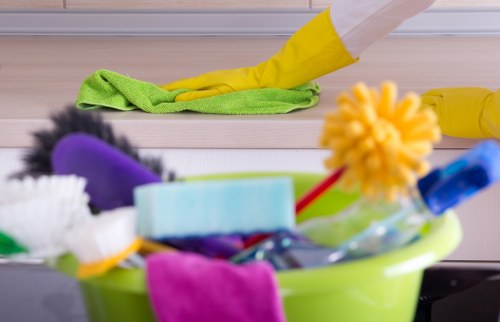 This Health and Safety Policy sets out the standards expected from cleaners in Pimlico and explains how safe working practices are maintained across domestic and commercial cleaning tasks. The purpose of this policy is to protect staff, clients, and anyone who may be affected by cleaning activities. It applies to all routine and specialist work, including dusting, vacuuming, sanitising, waste removal, and the handling of cleaning products. Safety is treated as a core part of quality service, not as an optional extra.
All Cleaners Pimlico personnel are expected to work in a careful, professional manner and to follow agreed procedures at all times. This includes using suitable equipment, reporting hazards, and avoiding actions that could create risk. Every cleaner should understand that health and safety is a shared responsibility, requiring awareness, communication, and consistent good practice. Safe conduct helps prevent accidents, supports wellbeing, and ensures that work is carried out efficiently.
 Managers and team leaders are responsible for making sure that cleaners receive the correct information, supervision, and training needed to perform tasks safely. Risk assessments should be completed where relevant, and control measures must be put in place before work begins. Any changes in task type, site layout, or equipment use should be reviewed so that the policy remains effective and current.
Core Safety Principles
Every cleaner must begin work by checking the area for hazards such as wet floors, unstable items, broken fixtures, exposed wires, or obstructed walkways. If a risk is identified, it should be reported and managed before cleaning continues. Where floors have recently been washed or treated, warning signs should be used to reduce the chance of slips and falls. Preventing accidents starts with observation and a willingness to pause when conditions are not safe.
Cleaning materials must be used exactly as instructed by the manufacturer and according to workplace procedures. Products should never be mixed unless specifically approved, as this may produce harmful fumes or reactions. Gloves, masks, eye protection, or other personal protective equipment should be worn whenever the task requires it. Suitable PPE is essential when handling chemicals, contaminated waste, or abrasive materials.
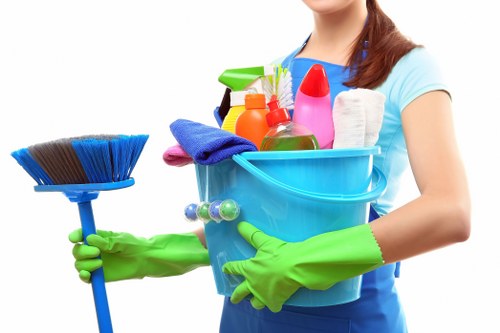 Manual handling is another important part of this policy. Cleaners should lift, carry, and move items in a controlled way, using mechanical aids or team support when loads are heavy, awkward, or unstable. Repetitive movement and prolonged bending should be minimised by planning work sensibly and adjusting posture where possible. Good technique helps reduce strain injuries and supports long-term wellbeing.
Training, Supervision, and Communication
Training is provided so that all cleaning staff understand safe methods for standard and specialist duties. This includes product awareness, equipment operation, hazard recognition, fire precautions, and emergency response. Refresher training should be arranged when procedures change or when gaps in knowledge are identified. New cleaners must not be asked to carry out unfamiliar duties without clear instruction and supervision.
Supervisors should maintain regular communication with the team so that issues can be raised early and resolved promptly. Reporting should cover accidents, near misses, damaged tools, faulty sockets, spills, and unsafe behaviour. A culture of openness encourages learning and helps prevent repeated problems. Health and safety improves when concerns are acted on quickly and without blame.
Work areas should be kept tidy throughout the shift. Tools, cords, cloths, and containers should be stored securely to prevent tripping or contamination. Waste should be removed in line with disposal rules, and sharp objects must be handled with extra care. When cleaners are working around members of the public, residents, or other staff, clear movement and respectful spacing should be maintained to reduce disruption and avoid collisions.
Equipment, Hygiene, and Emergency Response
All equipment used by cleaners Pimlico must be suitable for the task, regularly inspected, and kept in safe working order. Defective tools should be taken out of use immediately and reported. Electrical equipment must be switched off before cleaning or maintenance, and cords should be checked for damage before each use. Safe equipment use protects both the operator and those nearby.
Personal hygiene is equally important. Hands should be washed after handling waste, chemicals, or contaminated surfaces, and before eating, drinking, or leaving the premises. Uniforms or work clothing should be kept clean, and any contamination should be dealt with promptly. When cleaning up body fluids or other potentially hazardous material, stricter controls must be followed to reduce exposure and infection risk.
In an emergency, cleaners should stop work, alert others if necessary, and follow the relevant procedure for evacuation, first aid, or incident reporting. If a spill, fire, injury, or exposure occurs, the area should be made safe where possible without putting anyone at further risk. 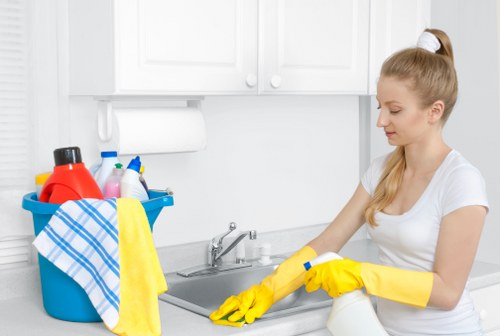 Prompt action, clear communication, and accurate reporting are essential to effective emergency management.
Monitoring and Review
This policy will be reviewed regularly to make sure it remains suitable, practical, and compliant with current expectations. Monitoring may include inspections, supervision notes, incident records, and feedback from staff about working conditions. Findings should be used to improve controls, update training, and strengthen safe practice across the business.
Special attention should be given to vulnerable situations, including lone working, confined spaces, high-traffic areas, and tasks involving chemicals or repetitive movement. Where risk is increased, additional precautions may be required. Cleaners should never be pressured to continue work if conditions are unsafe, and they should always be supported when they raise concerns.
 By following this health and safety policy, Cleaners Pimlico can deliver reliable cleaning services while protecting themselves and others from avoidable harm. Safe systems, proper training, and responsible behaviour create a healthier working environment and help maintain consistent professional standards.