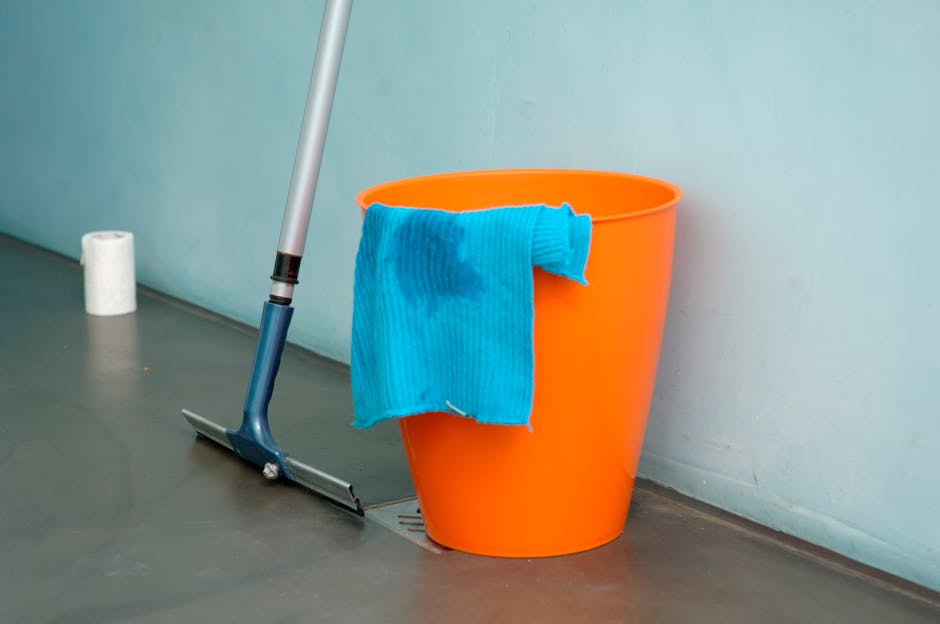
Tate Britain: Emergency Spill Clean-Up for Pimlico Venues
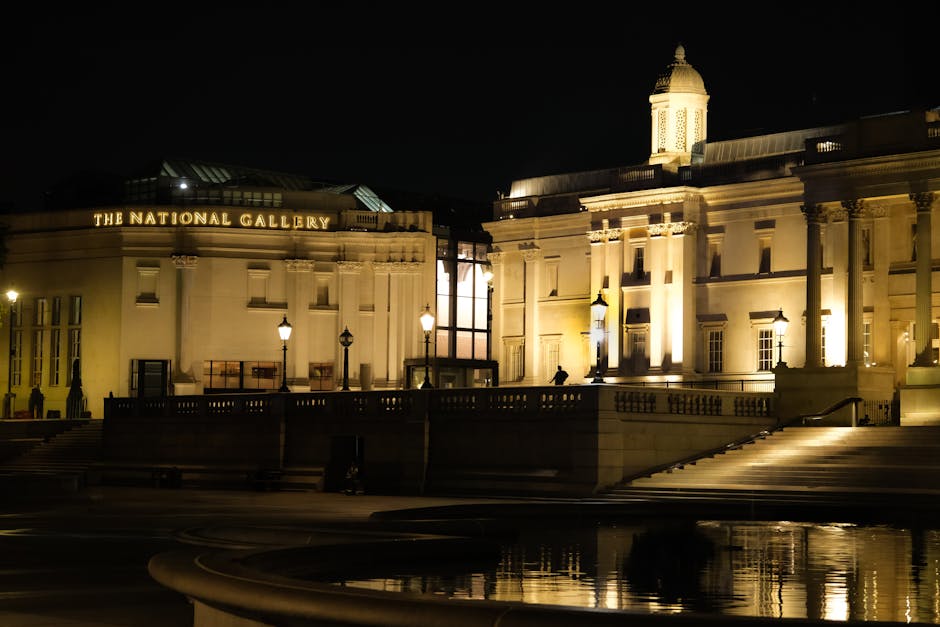
Spills at a venue near Tate Britain are rarely just a small inconvenience. One knocked-over drink, a burst catering tray, or a leaking cleaning product can create a slippery floor, a bad smell, damaged surfaces, and a very awkward pause in the middle of an event. In busy Pimlico venues, that kind of disruption can ripple fast. Staff get pulled in two directions, guests notice, and the clock starts ticking.
This guide to Tate Britain: Emergency Spill Clean-Up for Pimlico Venues is here to help you understand what a good response looks like, when to call in professional support, and how to reduce the chances of a minor mess becoming a bigger problem. We'll keep it practical and local. The reality is simple: in venues, speed matters, but so does doing the job properly.
Whether you manage a gallery event, a private reception, a corporate gathering, or a one-off function in Pimlico, the right clean-up approach protects people, property, and the guest experience. And yes, it can save a lot of stress too.
Why Tate Britain: Emergency Spill Clean-Up for Pimlico Venues Matters
At a venue near Tate Britain, an emergency spill is more than a housekeeping issue. It can quickly become a safety issue, a reputational issue, and sometimes a compliance concern. A wet patch on a polished floor can cause a slip. Red wine on a pale carpet can leave a mark that keeps catching the eye all evening. A spilled drink near cables or equipment can be a nuisance nobody needs.
What makes Pimlico venues different is the mix of use cases. One day it may be a formal exhibition preview, the next a wedding reception, then a working lunch or community event. Spaces that look calm and elegant on the surface are often working hard behind the scenes. That means spill response has to be quick, discreet, and well organised.
If you've ever watched staff trying to manage a queue, answer a guest question, and clean a spill at the same time, you'll know the problem. It looks small from a distance. Up close, it's anything but. A clean-up process that is calm and immediate helps keep the event on track and reduces the chance of escalation.
There's also the simple matter of guest confidence. People notice whether a venue handles problems smoothly. If the floor is dried, the area is safe, and the situation is dealt with quietly, most guests move on without drama. If not, the spill becomes the story. Nobody wants that.
For local operators, the surrounding Pimlico area also matters. Footfall, transport links, older building features, and multi-use layouts can all influence how quickly a spill spreads or how hard it is to isolate. That's why spill management is often best treated as part of venue readiness, not just a mop-and-bucket task.
If you want to see how venue needs vary by setting, the Pimlico party venues guide is a useful place to compare different event environments and think through practical clean-up pressure points.
How Tate Britain: Emergency Spill Clean-Up for Pimlico Venues Works
A proper emergency spill response follows a simple pattern: assess, isolate, remove, treat, and verify. The steps sound straightforward, but the order matters. Rushing straight into wiping can spread the problem. Waiting too long can let liquid soak in, stain, or create a slip hazard.
Here's the basic flow most professional teams follow:
- Assess the spill quickly. Identify the type of liquid or material, the size of the affected area, and whether it presents a slip, stain, odour, or contamination risk.
- Protect people first. Put in place signage, barriers, or verbal direction so guests and staff avoid the area.
- Choose the right method. Water-based spills, oily residues, food mess, glass contamination, and bodily fluids all call for different handling. One approach does not suit all.
- Absorb and lift, don't smear. The goal is to take the spill out of the surface, not push it around.
- Clean and neutralise. Use the appropriate product for the material and surface. Sometimes that means a mild detergent; sometimes a specialist cleaner is better.
- Dry and inspect. The area should be left safe to walk on and checked under natural and artificial light if possible.
That's the broad picture. In real life, a venue clean-up is rarely neat and tidy. Someone may already be carrying trays through the hallway. A curtain edge might be catching the liquid. A carpet pile can hide residue. The best teams know how to move quickly without making a bigger mess.
For venues that also function as offices or hybrid spaces, it helps to think of spill readiness as part of wider property care. Our services overview gives a broader look at the kinds of cleaning support that can sit around an emergency response plan.
Key Benefits and Practical Advantages
Fast spill clean-up is about much more than appearances. When it is done well, the benefits are immediate and long-lasting.
- Reduced slip risk: The obvious one. Dry, clear floors help prevent avoidable accidents.
- Less staining: Acting quickly can make the difference between a simple clean and a permanent mark.
- Better guest experience: People relax when they see the venue is under control.
- Lower disruption: A discreet response keeps the event moving.
- Protection for flooring and furnishings: Carpets, upholstery, timber, and stone each respond differently to moisture and chemicals.
- Better staff confidence: When there's a clear process, teams make fewer hurried mistakes.
There's also a practical advantage that gets overlooked: documentation. If you're running a venue, it helps to know what happened, when, and how it was handled. Not because every spill becomes a formal incident, but because repeat issues often reveal patterns. A bar station may need repositioning. A service route may need clearer marking. Small fixes, big effect.
One more thing. Emergency clean-up can also protect business relationships. Event organisers notice how a venue responds under pressure. If the response is calm and competent, it builds trust. That can matter just as much as the chandeliers and the canapes, truth be told.
If your venue includes carpets or upholstered seating, targeted follow-up work may be needed after the immediate response. In those cases, see the details on carpet cleaning in Pimlico and upholstery cleaning in Pimlico for longer-term care options.
Who This Is For and When It Makes Sense
This kind of emergency spill support is useful for anyone managing public-facing space in or around Pimlico, especially close to Tate Britain and the surrounding event corridor.
Venue types that benefit most
- Gallery event spaces
- Private party venues
- Conference and meeting rooms
- Hospitality spaces with bar or catering service
- Offices hosting client events
- Residential buildings used for communal gatherings
- Short-let or managed properties with shared facilities
Situations where it makes sense to act quickly
- Spilled wine, coffee, soft drinks, or food
- Cleaning product leaks
- Wet umbrellas and rainwater at entrances
- Grease or oil marks near food service areas
- Broken glass mixed with liquid
- Any spill on a polished or high-traffic floor
- Anything that leaves a lingering smell or sticky residue
Sometimes venue managers wait too long because the spill seems minor. Fair enough, nobody wants to overreact. But if the area is used by the public, a small incident can still warrant immediate attention. The key question is not, "Is it huge?" It's, "Could this affect safety, cleanliness, or guest flow?"
For local residents and landlords using the same streets and property stock, spill response can also tie into moving, tenancy, or regular maintenance needs. If you're planning a change of property use or want to understand local living standards better, the moving to Pimlico advice from locals and guide to buying homes in Pimlico articles are helpful background reading.
Step-by-Step Guidance
If a spill happens during an event, speed and sequence matter. Here's a practical step-by-step approach that works in most venue settings.
- Stop and identify the spill. Check what the substance is, where it spread, and whether anything fragile, electrical, or porous is nearby.
- Block access immediately. Use cones, signs, staff guidance, or temporary route changes. If the floor is wet, don't assume people will spot it. They often won't.
- Protect yourself. If the substance is unknown or potentially irritating, use gloves and avoid direct contact.
- Remove solids first. Pick up broken glass, food debris, or large pieces before dealing with liquid.
- Absorb from the outside in. That helps keep the spill from spreading wider.
- Treat the surface properly. Use suitable products for the material. Stone, wood, carpet, laminate, and upholstery all need different handling.
- Check for hidden spread. Look under chairs, along skirting, or beneath fabric edges.
- Dry thoroughly. Air movement, clean cloths, and patience beat a rushed wipe-down.
- Inspect again. Make sure there is no tackiness, odour, or residue.
- Log the incident if needed. Keep a note of what happened and what was used to clean it.
A small real-world detail: if a spill happens near a service doorway, it often gets worse because people keep stepping through it. That one little route change can make a mess multiply. So, clear the path first, clean second. Not the other way round.
For venue managers who need a broader maintenance plan as well, it can help to pair emergency response with routine cleaning. Our office cleaning Pimlico and house cleaning Pimlico pages show how ongoing upkeep supports faster incident recovery.
Expert Tips for Better Results
Here are the practical things experienced cleaners and venue teams tend to keep in mind. These are the details that save time and frustration.
- Match the product to the surface. Too aggressive, and you can dull finishes or leave rings. Too mild, and the stain stays put.
- Have a spill kit ready. Not hidden in a cupboard nobody can find. Actually ready. Accessible. Labelled.
- Train front-of-house staff. The first person on scene should know what to do in the first 60 seconds.
- Use low-noise tools where possible. Venues often need clean-up without drawing attention. Nobody wants a vacuum soundtrack during speeches.
- Watch for odour after the visible spill is gone. Some residues linger even when the floor looks clean.
- Test on a small area first. Especially with carpets, upholstery, and decorative finishes.
- Keep spare cloths and disposal bags nearby. It sounds basic, but it saves a scramble.
Another tip that often gets missed: think about lighting. A spill can look gone under warm indoor lighting, then show up later in daylight or at a different angle. If your venue has large windows, take one final look before declaring the area done. Small thing, but useful.
If you're trying to balance cleanliness with cost control, the pricing and quotes page can help you understand how service requests are usually approached in a more structured way.
Common Mistakes to Avoid
A lot of spill problems are made worse by perfectly understandable mistakes. Nobody sets out to make the situation harder. Still, a few habits keep cropping up.
- Wiping too soon with the wrong cloth: This can push liquid deeper into fibres or across a wider area.
- Using one product for everything: Handy in theory, risky in practice.
- Ignoring hidden edges: Liquid travels. It doesn't stay politely where you first saw it.
- Forgetting the slip hazard: A floor can look almost dry and still be unsafe.
- Cleaning around the problem: That leaves residue behind and usually means a repeat job later.
- Not communicating with staff: One team member may think the area is clear while another is still redirecting guests.
There's also the temptation to keep going with the event and deal with the spill after. Sometimes that works. Often it doesn't. If the spill is on a route people need to use, dealing with it later just means more foot traffic through a wet area. You can see where that ends, can't you?
For wider trust and service expectations, it can also help to review a provider's approach to safety and accountability, such as the health and safety policy and insurance and safety information.
Tools, Resources and Recommendations
A good emergency spill response is easier when the right equipment is within reach. You do not need a warehouse of specialist kit for every situation, but you do need the basics organised well.
| Tool or resource | Best for | Why it helps |
|---|---|---|
| Microfibre cloths | General liquid spills | Absorb well and reduce smearing |
| Disposable gloves | Unknown or messy spills | Protects hands during initial handling |
| Warning signs or cones | Slippery floors | Stops accidental foot traffic |
| Absorbent granules or pads | Heavier liquid spills | Speeds up collection and containment |
| Neutral cleaner | Routine surface cleaning | Useful for many common non-porous surfaces |
| Targeted carpet or upholstery treatment | Fabric and fibre surfaces | Helps lift residue without over-wetting |
For some venues, the best resource is not a product but a process. A simple incident card, a quick staff briefing, and a visible kit location can make a huge difference. If you run a multi-use building, it's worth building spill response into your everyday site routines rather than treating it as a special case.
That said, when a spill has spread into carpet, settee seating, or soft furnishings, targeted cleaning support is often the sensible next step. See also domestic cleaning Pimlico and end of tenancy cleaning Pimlico for related deep-clean needs that may come up in mixed-use or managed premises.
Law, Compliance, Standards, or Best Practice
For UK venues, spill clean-up is usually governed less by one single law and more by a combination of general duties, common-sense safety practice, and venue-specific risk management. The important thing is to avoid overclaiming. Exact obligations can depend on the premises, the type of incident, and how the site is operated.
In practical terms, venue managers should think about:
- Keeping walkways safe: Wet floors and debris should be managed promptly.
- Risk assessment: Staff should know how to identify and report a hazard.
- Suitable cleaning products: Some substances need caution because of surface compatibility or exposure risk.
- PPE where needed: Gloves or other protective items may be appropriate depending on the spill.
- Incident records: Not always mandatory, but often wise for repeat issues or operational review.
- Accessibility considerations: Spills can create extra problems for guests with mobility needs, so route management matters.
Best practice in a venue setting is usually straightforward: act quickly, warn people clearly, use the right method, and verify the area is actually safe before reopening it. That last part is easy to rush, and yet it's one of the most important.
If you want to understand the company's wider operating standards, the about us page, terms and conditions, and privacy policy provide useful background on how the service is presented and handled.
Options, Methods, or Comparison Table
Different spills call for different responses. Here's a simple comparison to help you judge the best route without overthinking it.
| Method | Best used for | Pros | Limitations |
|---|---|---|---|
| Quick in-house wipe-down | Very small fresh spills on non-porous surfaces | Fast and convenient | Can miss residue or spread liquid if rushed |
| Staff-led incident response with kit | Medium spills during active events | More controlled and safer | Depends on staff training and kit quality |
| Professional emergency clean-up | Large, staining, odorous, or high-risk spills | Thorough, discreet, and efficient | May require scheduling and service access |
| Follow-up deep clean | Fabric, carpet, or repeated problem areas | Improves finish and longevity | Not always immediate, but often worthwhile |
In real terms, most venues need a mix of approaches. The trick is not to pretend every spill deserves the same response. A splash of water on a hard floor is one thing. A fruit juice spill in carpet pile during a packed reception is something else entirely.
Case Study or Real-World Example
Here's a realistic example from a Pimlico-style venue setup. A small private reception is underway near Tate Britain. Guests are moving between a main room and a side area where drinks are being served. A tray tips, and a glass of red wine lands on a light carpet close to a circulation path.
The first staff member notices the spill, blocks the route, and calls for support. Chairs are moved just enough to prevent further foot traffic. The liquid is blotted rather than scrubbed, and the surrounding area is checked for spread. A second team member stays nearby to direct guests politely, because let's face it, people will still try to walk through a space if it looks only "a bit wet".
Because the response was quick, the stain did not have time to settle deeply. More importantly, the event did not grind to a halt. Guests carried on. The carpet was treated properly later with a more focused clean, and the venue avoided the awkward after-effect of a patch that keeps drawing attention every time the lights change.
That kind of outcome is not magic. It is simply good process, decent kit, and someone on site who knows the order of operations. Boring, maybe. Effective, absolutely.
For other local context around properties and venue-style spaces in Pimlico, the Pimlico district guide and Lupus Street flat cleaning tips offer a helpful sense of how varied local premises can be.
Practical Checklist
Use this quick checklist before, during, or after a spill incident in a Pimlico venue.
- Have spill kits easy to find, not buried away
- Make sure staff know who takes the lead
- Use signs or barriers immediately
- Identify the spill type before choosing a cleaner
- Remove broken glass or solids first
- Blot rather than spread the liquid
- Check for soaked edges, skirting, or nearby fabric
- Dry the area properly before reopening it
- Inspect for odour, tackiness, or staining
- Record repeat incidents so patterns can be fixed
- Arrange deeper cleaning if the material has absorbed the spill
- Review access routes to prevent repeat accidents
Practical summary: if the spill affects guest safety, flooring, or the flow of an event, treat it as an operational priority, not a minor tidy-up. The best clean-up is the one that people barely notice because it was handled calmly and at once.
Conclusion
Tate Britain: Emergency Spill Clean-Up for Pimlico Venues is really about being ready before a mess happens, then responding with calm and competence when it does. That means protecting people first, using the right tools, and understanding when a quick wipe is enough and when a proper professional clean is the safer choice.
In a venue setting, the difference between a small incident and a stressful one is often only a few minutes. A clear process, a trained team, and a sensible follow-up plan can save time, reduce damage, and keep the atmosphere intact. And that matters. People remember how a place felt when something went slightly wrong.
If you'd like to strengthen your venue's cleaning plan, review the relevant service pages, compare your current response setup, and make sure your team knows exactly what happens next when a spill appears. It's one of those small preparations that pays off quickly.
Get a free quote today and see how much you can save.
Frequently Asked Questions
What counts as an emergency spill in a venue?
Any spill that creates a slip risk, damages a surface, leaves a strong odour, or interrupts guest movement can count as an emergency spill. In practice, if people may walk through it, it should be dealt with promptly.
Can staff clean every spill themselves?
Small fresh spills on suitable hard surfaces may be manageable in-house if staff are trained and equipped. Larger spills, fabric contamination, or unknown substances are better handled with professional support.
How quickly should a spill be cleaned?
As quickly as possible. The first priority is to protect people and stop spread. The longer a spill sits, the more likely it is to stain, soak in, or become a safety hazard.
What if the spill is on carpet?
Carpet needs more care than a hard floor because liquid can sink into the pile and underlay. Blotting, correct product choice, and proper drying are key. Sometimes a follow-up clean is needed.
Do I need special products for food or drink spills?
Usually yes, at least to some degree. Water-based drinks, oily food, and sugary residues each behave differently. A one-product-fits-all approach is not ideal.
Are wet floor signs enough on their own?
No. Signs are important, but they do not remove the hazard. The area should still be cleaned and dried properly before it is opened back up.
How do I stop a spill from spreading?
Block foot traffic, absorb from the outside in, and avoid wiping in a way that pushes liquid across a wider area. Quick containment usually makes the biggest difference.
What should be in a venue spill kit?
At minimum, gloves, absorbent cloths or pads, a suitable cleaner, waste bags, and clear signage or a way to mark the area. The exact kit depends on the venue type and likely spill risks.
Is there a legal requirement to record every spill?
Not necessarily. However, keeping records of significant incidents is good practice, especially if the same area keeps causing problems or if a safety review is needed.
How do I choose between in-house cleaning and a professional service?
Use the spill size, surface type, risk level, and timing as your guide. If there is staining, odour, public traffic, or any uncertainty, professional help is often the safer option.
Can emergency spill clean-up happen during an event without disrupting guests?
Yes, if it is handled well. Quiet containment, discreet staff movement, and the right tools can keep disruption low. It takes a bit of coordination, though.
Where can I find more help with cleaning in Pimlico?
You can explore related service and local insight pages such as services overview, carpet cleaning Pimlico, and the local articles linked throughout this guide for a fuller picture of what suits your space best.